Choice — Who Is Really Choosing What We Drink?
By Raúl Ferreira
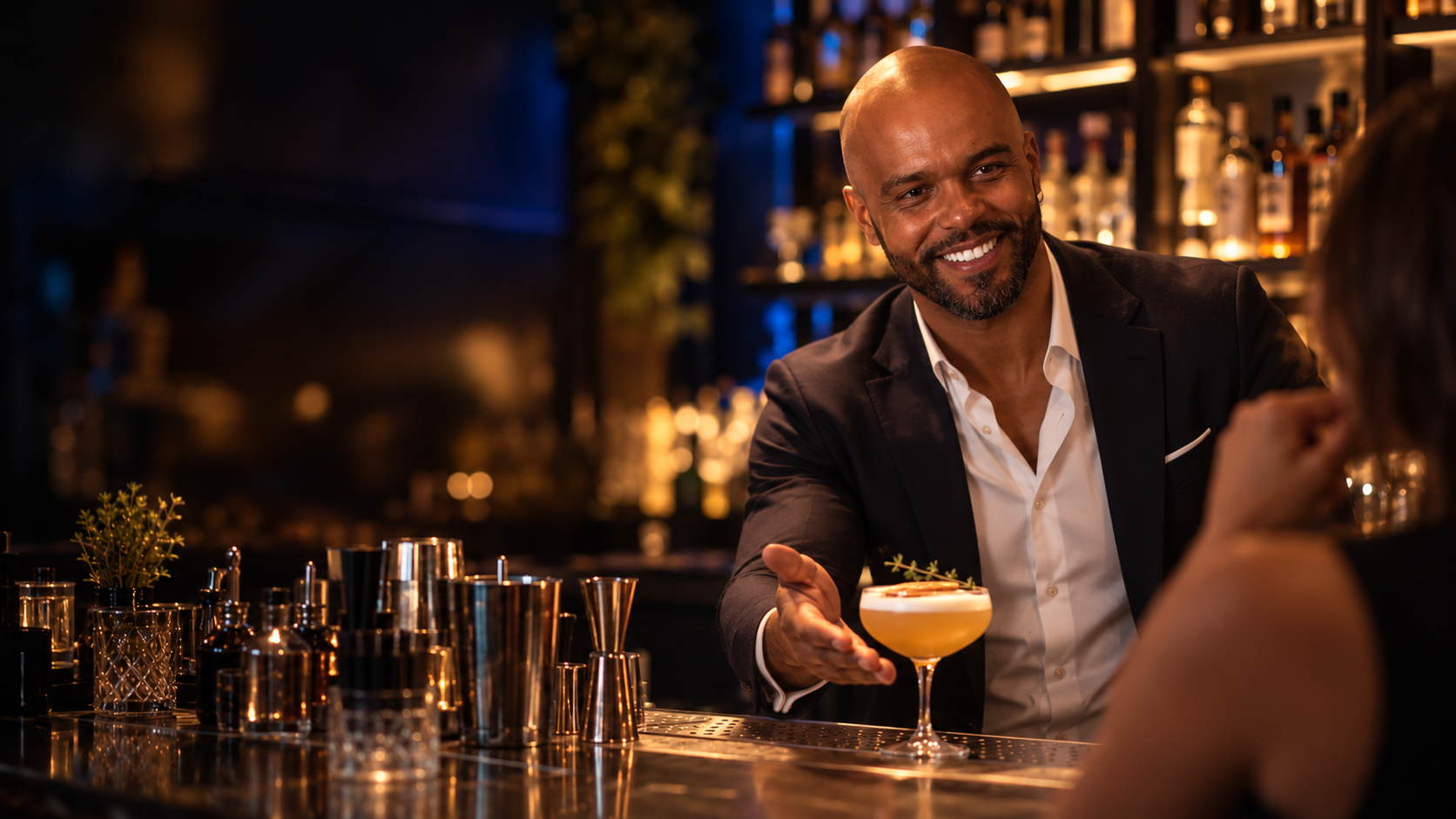
A charismatic bartender recommends a cocktail. A sommelier confidently suggests a bottle. Everyone at the table orders the same wine. A familiar brand promises an experience we already know.
We call these choices our own.
But are they?
In the first two episodes, I explored how perception shapes taste and how people, culture and experience influence our preferences. Now comes the question that connects them both: who is really making the final decision?
Consider the power of a great bartender. A confident recommendation, delivered with genuine enthusiasm, can turn hesitation into curiosity. A server describing a dish can make us reconsider what we intended to order. Sometimes, the right person can sell us an experience we didn’t even know we wanted.
And that is a remarkable skill.
But persuasion doesn’t stop at the bar.
At a table of friends, we might order the same wine as everyone else because we don’t want to appear inexperienced. We might choose a recognisable brand because it feels like the safer option. We might spend more because the price suggests quality, or follow a recommendation because questioning it feels uncomfortable.
Sometimes these decisions lead us to wonderful experiences.
Other times, they simply lead us away from our own curiosity.
The same influence that opens a door can also close one.
For the hospitality industry, persuasion has obvious rewards. It can increase sales, introduce guests to premium products, encourage exploration and create memorable experiences. A skilled professional doesn’t merely take an order. They can transform the way a guest experiences an entire meal.
Brands do something similar, using familiarity, reputation and aspiration to make certain choices feel desirable.
But there is a cost to consider.
If we always recommend what sells best, do we neglect the lesser known wine that might become someone’s favourite? If we guide every guest towards the same signature cocktail, are we creating discovery or simply repeating a successful formula? If customers follow the crowd, how many individual preferences remain unexplored?
And if every recommendation is designed to maximise the bill, where does hospitality end and manipulation begin?
I don’t believe the answer is to stop persuading people. Hospitality without influence would lose much of its magic. The best professionals know how to inspire confidence, tell stories and make unfamiliar experiences inviting.
The difference lies in the intention.
Are we influencing someone to sell them something, or to give them something they wouldn’t otherwise have discovered?
That distinction matters.
Because the greatest success isn’t necessarily the most expensive bottle sold or the highest spending table. It might be the guest who discovers a new grape variety, learns to appreciate a bitter cocktail or leaves with a different understanding of food and drink.
This is where Taste Intelligence becomes a responsibility, not just an interesting concept.
For professionals, it means understanding the power of their recommendations. For brands, it means recognising that trust is worth more than a single sale. For consumers, it means remaining curious enough to question familiar choices and confident enough to make their own.
And this is the conversation I believe Globe of Taste can help advance: a space for inspiration and innovation, bringing people together to question conventions and actively shape the future of taste.
Because the purpose of influence should not be to make everyone choose the same thing.
It should be to help more people discover what they might genuinely love.
Perhaps the ultimate measure of our influence isn’t what we persuade people to buy, but what we help them discover.
And the question we should leave on the table is this:
Are we creating customers who follow our recommendations, or people whose world becomes bigger because of them?