by Dr. Yana Steudel
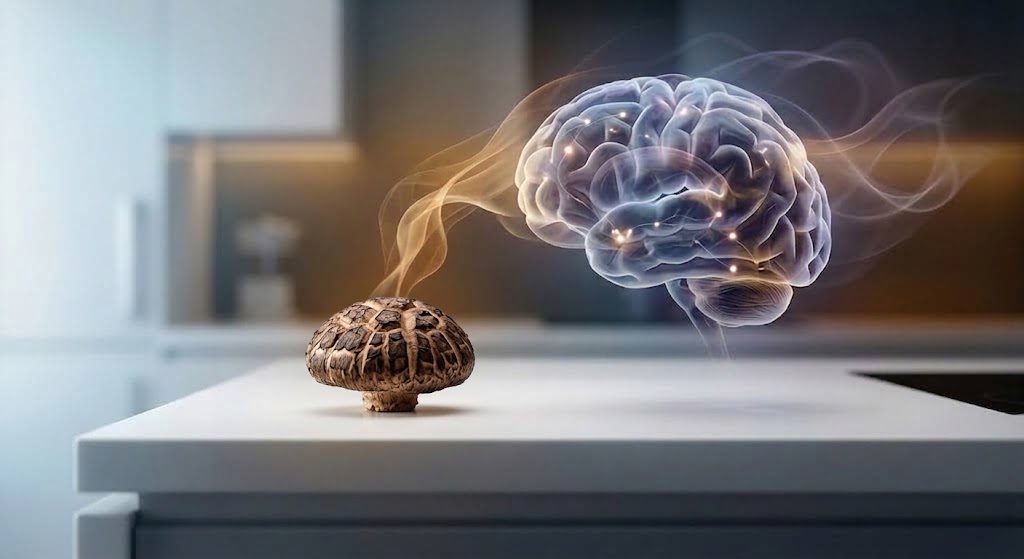
We often speak about taste as if it were a property of food.
But what we experience is never created by food alone.
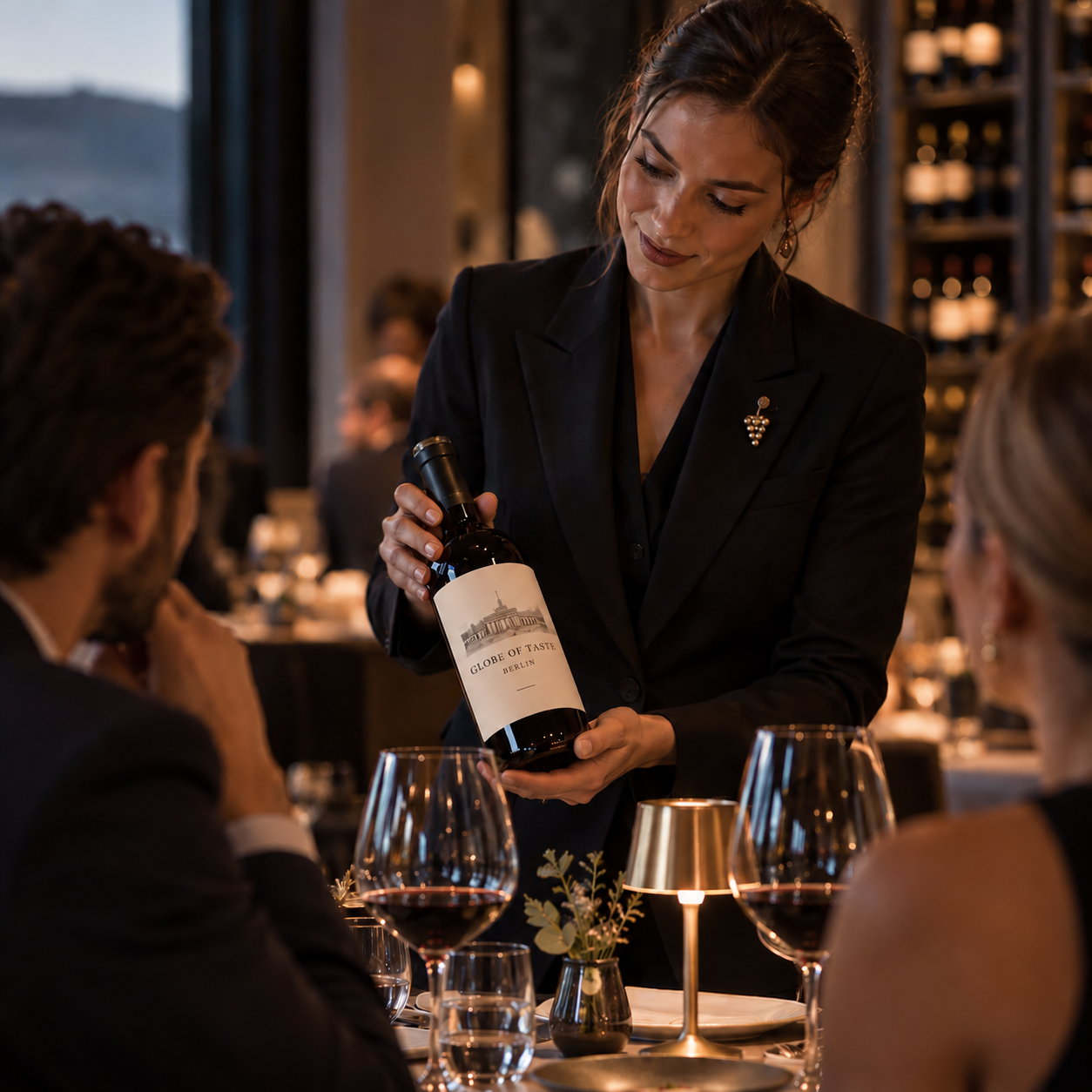
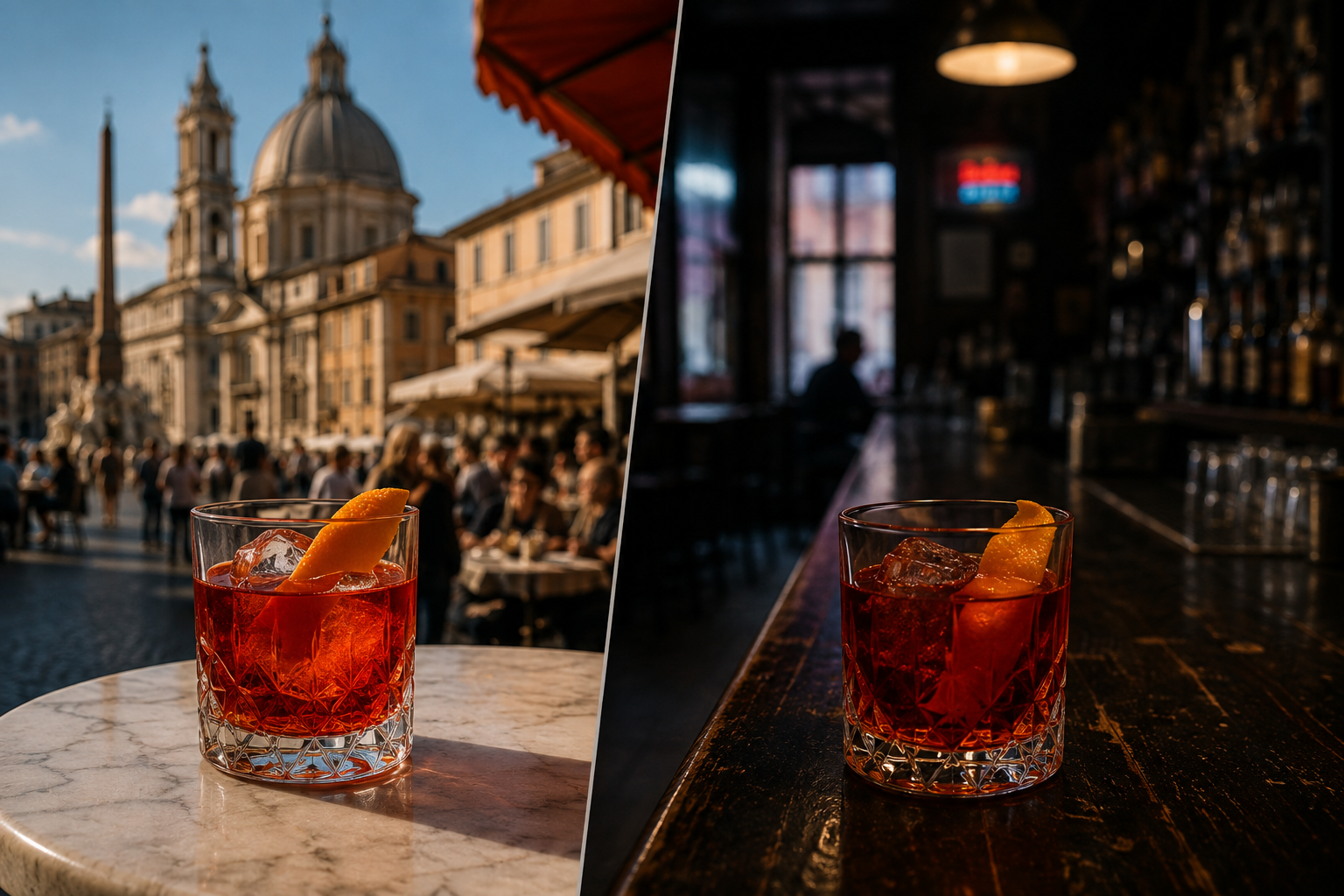
The same composition can be perceived differently depending on what surrounds it: the plate, the glass, the colour, the sound, the expectation, the person serving it, the words used to describe it — even the place in which we encounter it.
This raises an interesting question:
Where does product development actually end?
If packaging changes expectation before the first bite, is packaging part of taste design?
If the shape of a glass changes aroma delivery, is the glass part of the recipe?
If altitude changes perception, does the environment become an ingredient?
If a story changes what we notice, is communication part of flavour creation?
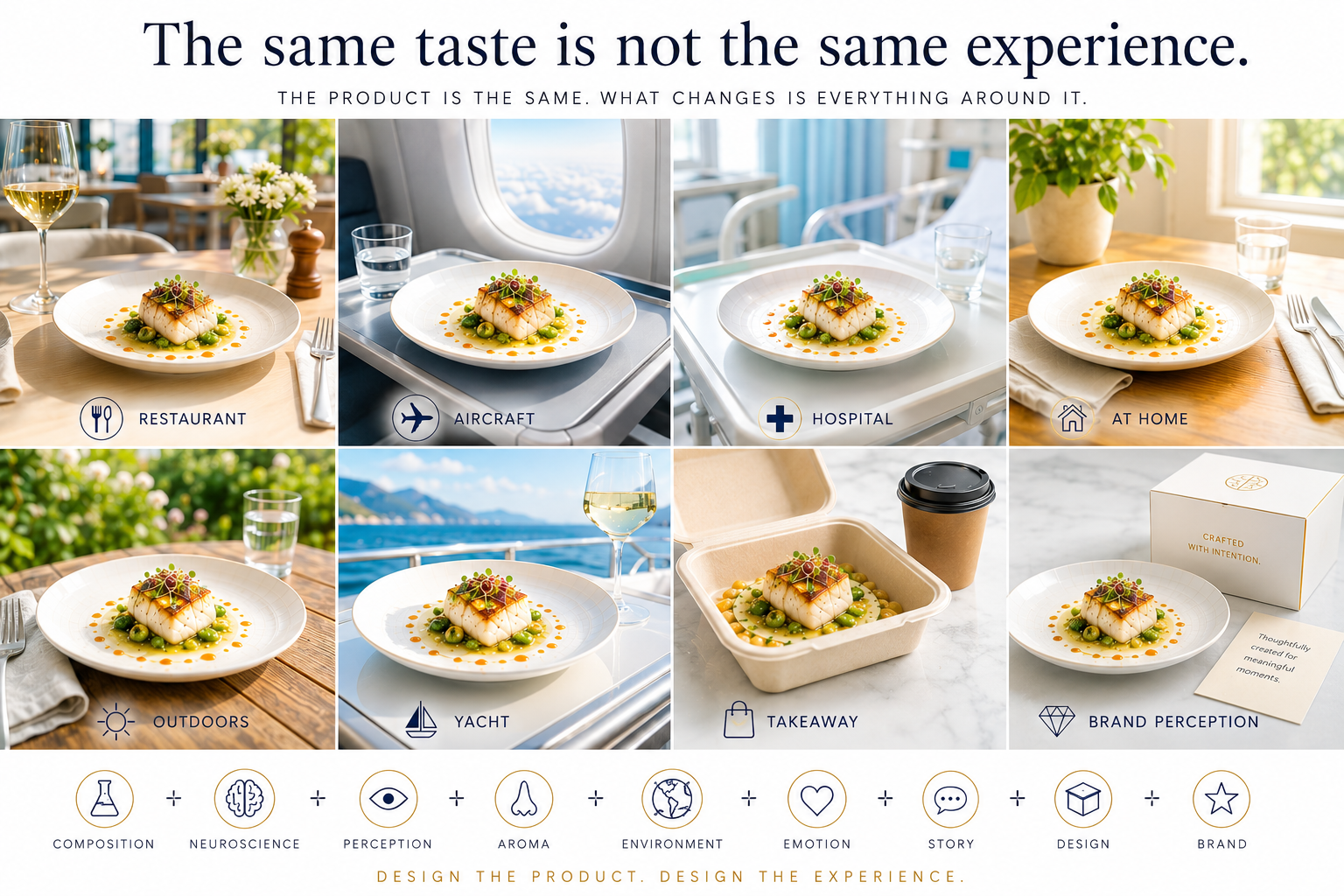
And if the same food creates a different experience in a restaurant, an aircraft, a hospital or at home — what exactly is the “product”?
Perhaps the question is not only how we optimise the food itself.
It is how the product should be designed for the environment in which it will be experienced.
Should its flavour profile change? Its intensity, texture or aroma? Its format or portion? Its packaging and presentation? The way it is served or communicated?
And how do all of these decisions influence not only the sensory experience, but also how the product — and ultimately the brand behind it — is perceived?
This is where chemistry meets neuroscience, psychology, design, gastronomy, hospitality, branding — and ultimately business.
Because once we understand the entire perceptual system, product development starts to look very different.
This is one of the questions we want to explore within Globe of Taste:
How should we design a product so that it creates the experience we intend — in the context in which it will actually be experienced?