
by Christoph Büchner
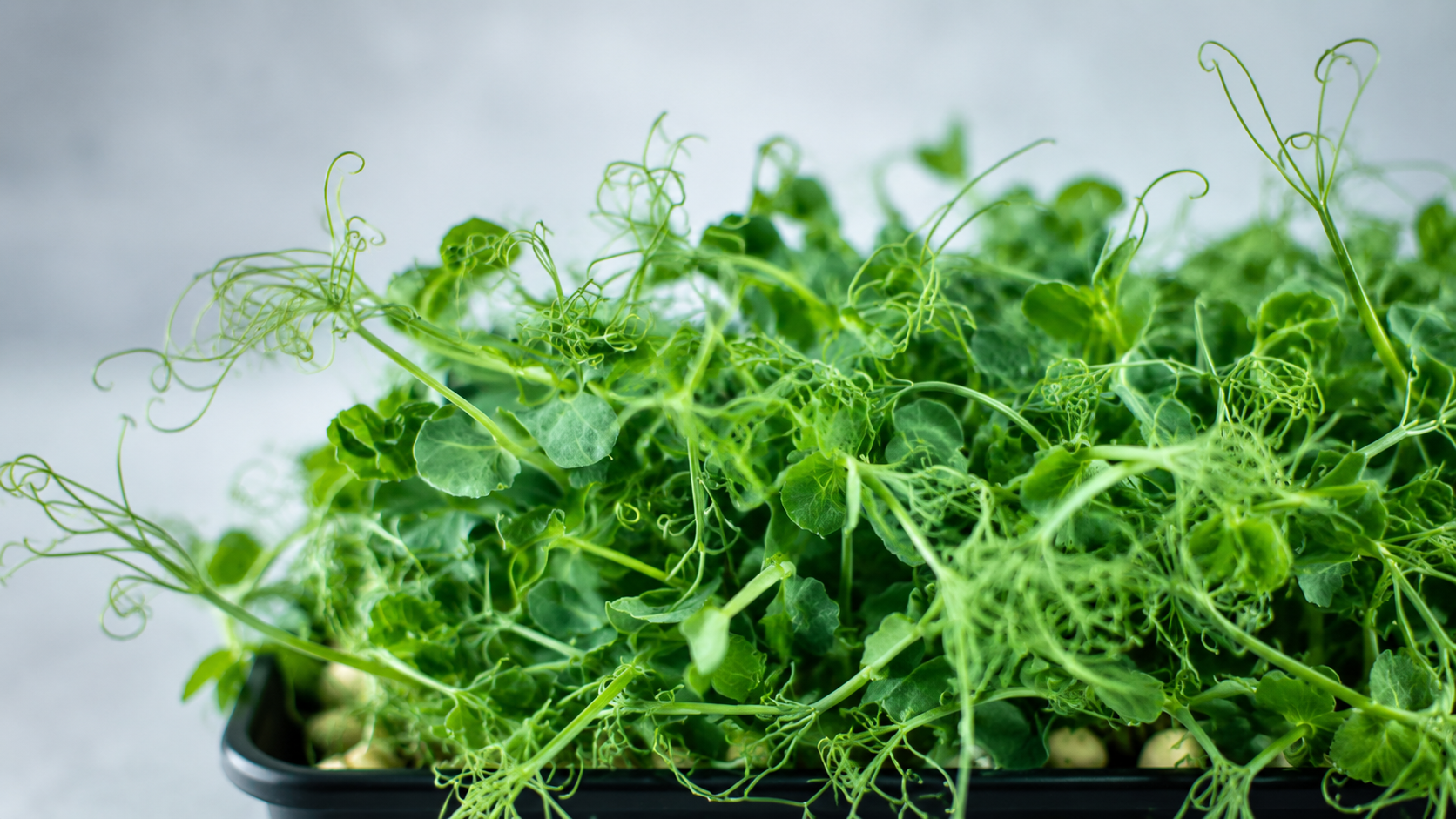
Microgreens are young vegetable, herb, or edible flower seedlings harvested shortly after the first true leaves appear. They are known for their intense flavor, vibrant colors, delicate texture, and attractive presentation. Today, they are widely used in fine dining, casual restaurants, and modern catering concepts.
A Brief History of Microgreens
- Although people have consumed young plant shoots and sprouts for centuries, modern microgreens emerged in the culinary world during the 1980s.
- The first documented use is generally linked to high-end restaurants in California, particularly in the San Francisco culinary scene.
- Chefs initially used microgreens as elegant garnishes to add color, texture, and concentrated flavors to dishes.
- Early varieties included arugula, basil, beet, kale, and cilantro.
- During the 1990s and early 2000s, microgreens expanded beyond fine dining and became available through specialty growers and retail markets.
- Today, they are considered a standard ingredient in modern gastronomy and are increasingly produced locally and even on-site in restaurants.
Advantages of Microgreens
✓ Intense Flavor
Microgreens often deliver stronger and more concentrated flavors than mature vegetables, allowing chefs to enhance dishes with small quantities.
✓ Visual Appeal
Their vibrant colors and delicate structure create an elegant and modern plate presentation.
✓ Nutrient Density
Many studies indicate that microgreens can contain higher concentrations of vitamins, minerals, and antioxidants compared to their mature counterparts.
✓ Local and Sustainable Production
They require little space, grow quickly, and can be cultivated year-round close to the point of consumption.
✓ Menu Diversity
Chefs can introduce unique flavors and textures without significantly changing the core ingredients of a dish.
Challenges and Disadvantages
✗ Short Shelf Life
Microgreens are highly perishable and require careful storage and handling.
✗ Higher Cost
Compared to conventional vegetables, production and labor costs are relatively high.
✗ Delicate Product
They can wilt quickly under heat or during service, making proper timing essential.
✗ Limited Yield
A significant growing area is required to produce larger volumes consistently.
From a niche garnish in California’s fine dining scene of the 1980s to a globally recognized culinary ingredient, microgreens have become an important element of contemporary gastronomy. Their combination of flavor intensity, visual impact, and nutritional value makes them highly attractive for chefs, while careful handling and cost management remain essential for successful use in professional kitchens. use in professional kitchens.